NZX50 Snaps Losing Streak with 1.3% Weekly Gain as Blue Chips Defy Economic Headwinds
The New Zealand sharemarket concluded the first week of May on a high note, breaking a two-week losing streak as blue-chip stocks rallied despite a backdrop of deteriorating domestic economic sentiment. The NZX50 index closed Friday, 1 May 2026, at 13,039.2 points, marking a 1.1% gain for the day and a total weekly advance of 1.3%.
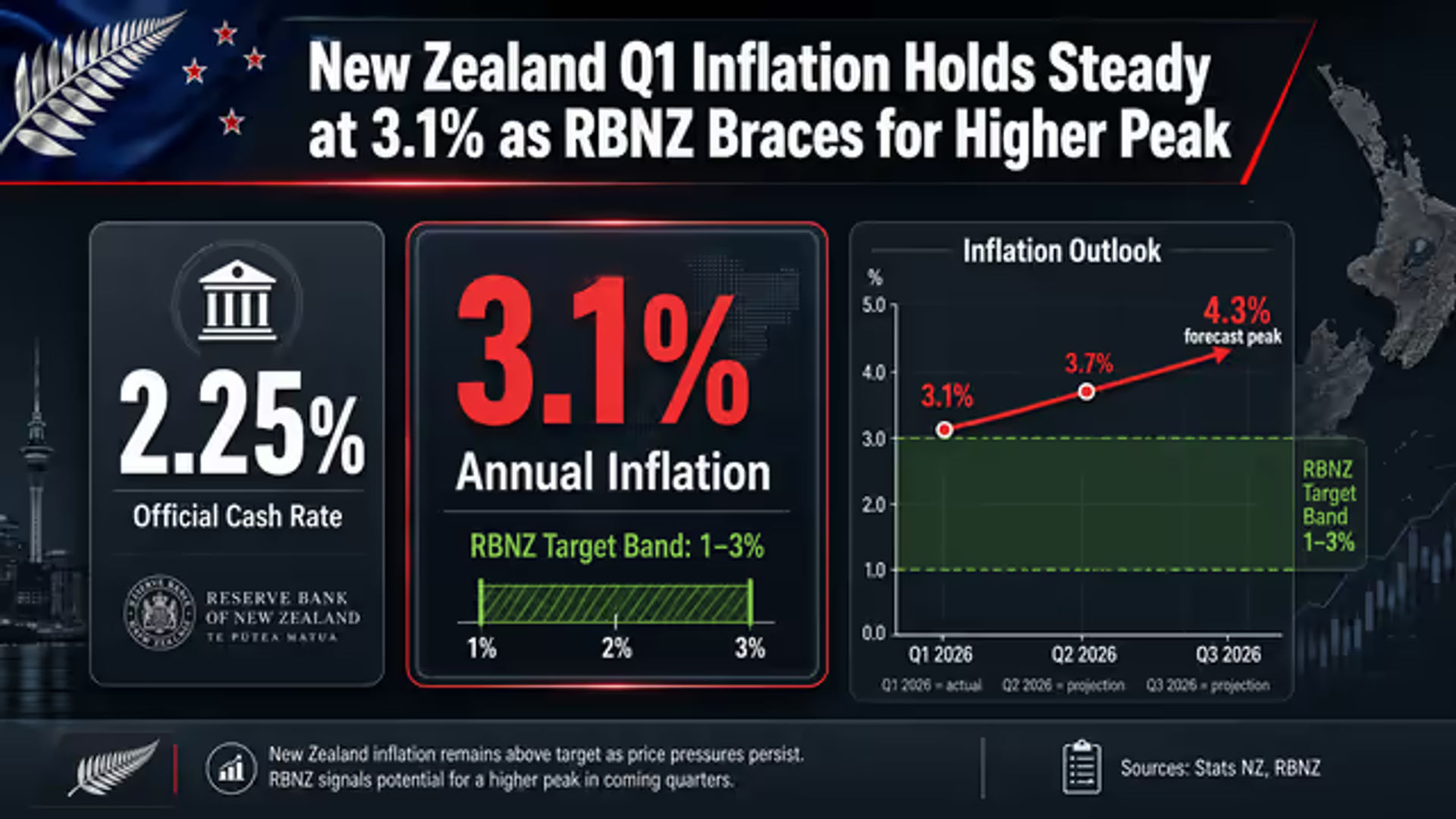
The positive momentum provided a reprieve for investors after a volatile start to the year. While the index remains below its all-time high of 13,757.71 points reached in January 2026, the Friday rally was broad-based, supported by a 3.5% decline in Brent crude oil futures to US$113.94 a barrel. Easing energy costs and more modest pricing intentions from New Zealand firms have led market participants to speculate that the Reserve Bank of New Zealand (RBNZ) may adopt a less aggressive stance on future interest rate hikes.
Blue-Chip Performance and Sector Highlights
Several of the market’s largest constituents led the Friday surge, each posting gains of 3%. Ryman Healthcare (RYM) was a primary driver, advancing 3% on the final day of the week. Despite this recovery, the aged care provider remains under pressure, with its share price down 24% over the past six months as the sector grapples with high debt levels and a cooling property market.
Fletcher Building (FBU) also added 3% on Friday, bringing its five-day gain to 6%. Investor interest in the construction giant was bolstered by new residential building consent figures for March, which, while easing slightly from previous highs, remained 11% higher than the same period in 2025. This suggests a level of resilience in the construction pipeline that had not been fully priced in by the market.

In the infrastructure sector, Chorus (CNU) continued its steady ascent, rising 3% on Friday. The telecommunications infrastructure provider has been a standout performer in a difficult market, recording a 23% increase year-on-year and a 6% gain over the last six months.
Retailer KMD Brands, the owner of Kathmandu, saw its shares rise 3% on Friday, building on a 2% gain over the previous five days. However, the company’s long-term trajectory remains challenged; shares are down 63% year-on-year. This follows a March 30 report for the first half of the 2026 financial year, which showed a statutory net loss of NZD 13.1 million despite a 7.3% increase in sales. The company recently confirmed it has engaged Goldman Sachs to assist with treasury and capital management strategies.

A Disconnect with Consumer and Business Sentiment
The market’s buoyant finish to the week stands in stark contrast to underlying economic data released throughout April. New Zealand consumer confidence plunged during the month to its lowest level since May 2023. Simultaneously, business sentiment turned negative for the first time since August 2023, reflecting concerns over persistent inflation and the impact of global geopolitical instability.
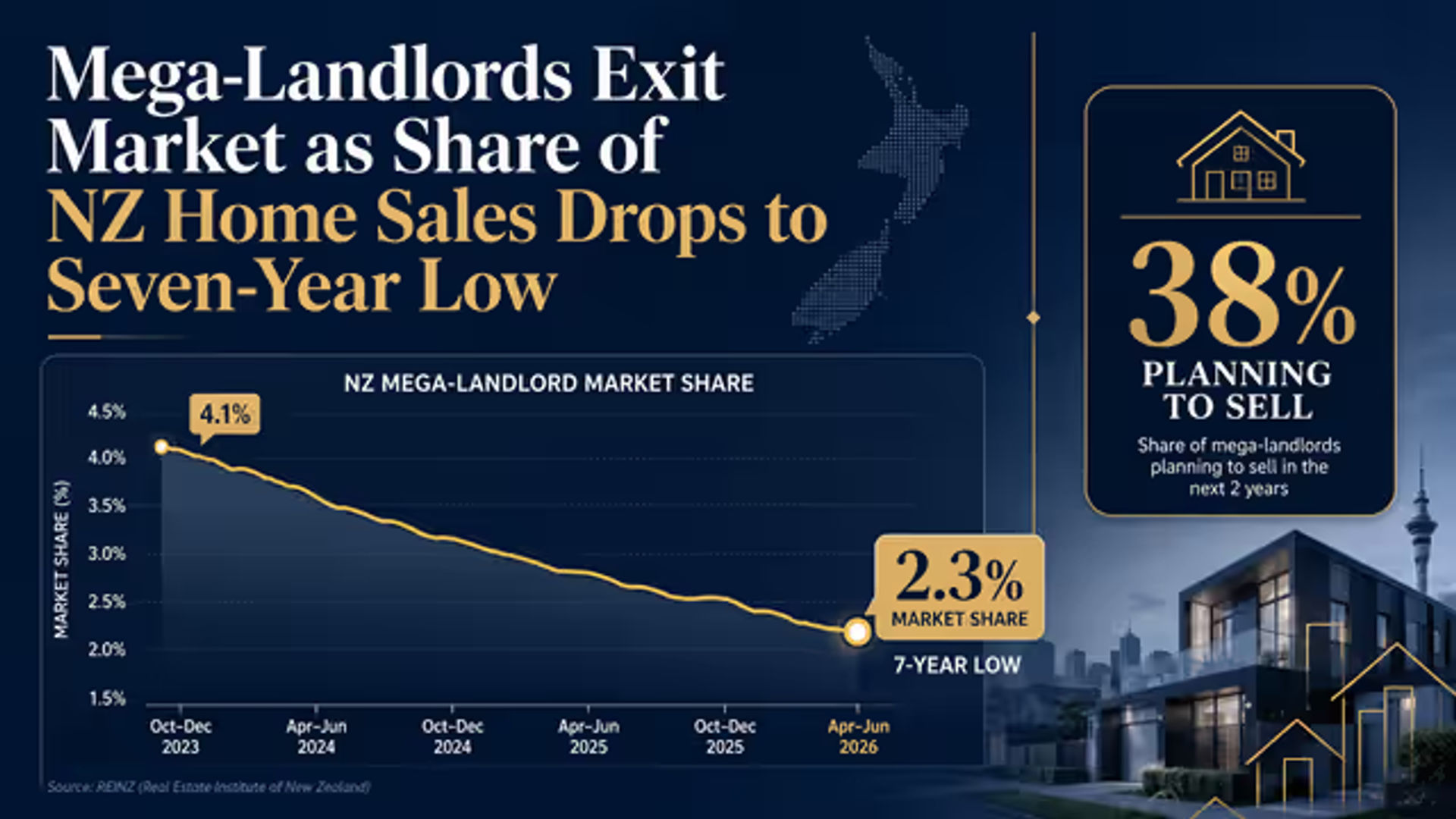
The housing market remains largely stagnant, with national house prices rising just 0.1% in April compared to March. Real estate analysts suggest that surging fuel costs and uncertainty surrounding the ongoing Middle East conflict have significantly dampened buyer appetite.
Related Articles

Comments
0Loading...
No comments yet. Be the first to share your thoughts.