OECD Urges Energy Reforms to Address Structurally High Electricity Prices
Electricity prices in New Zealand are structurally too high, creating a significant headwind for the national economy. The release of the 2026 Economic Survey of New Zealand on May 7, 2026, identifies these elevated energy costs as a primary factor impeding economic momentum. This structural pricing issue stems from a combination of falling gas supply and persistent underinvestment in firming capacity, which is essential for maintaining a stable power grid as the country transitions toward higher renewable energy reliance.
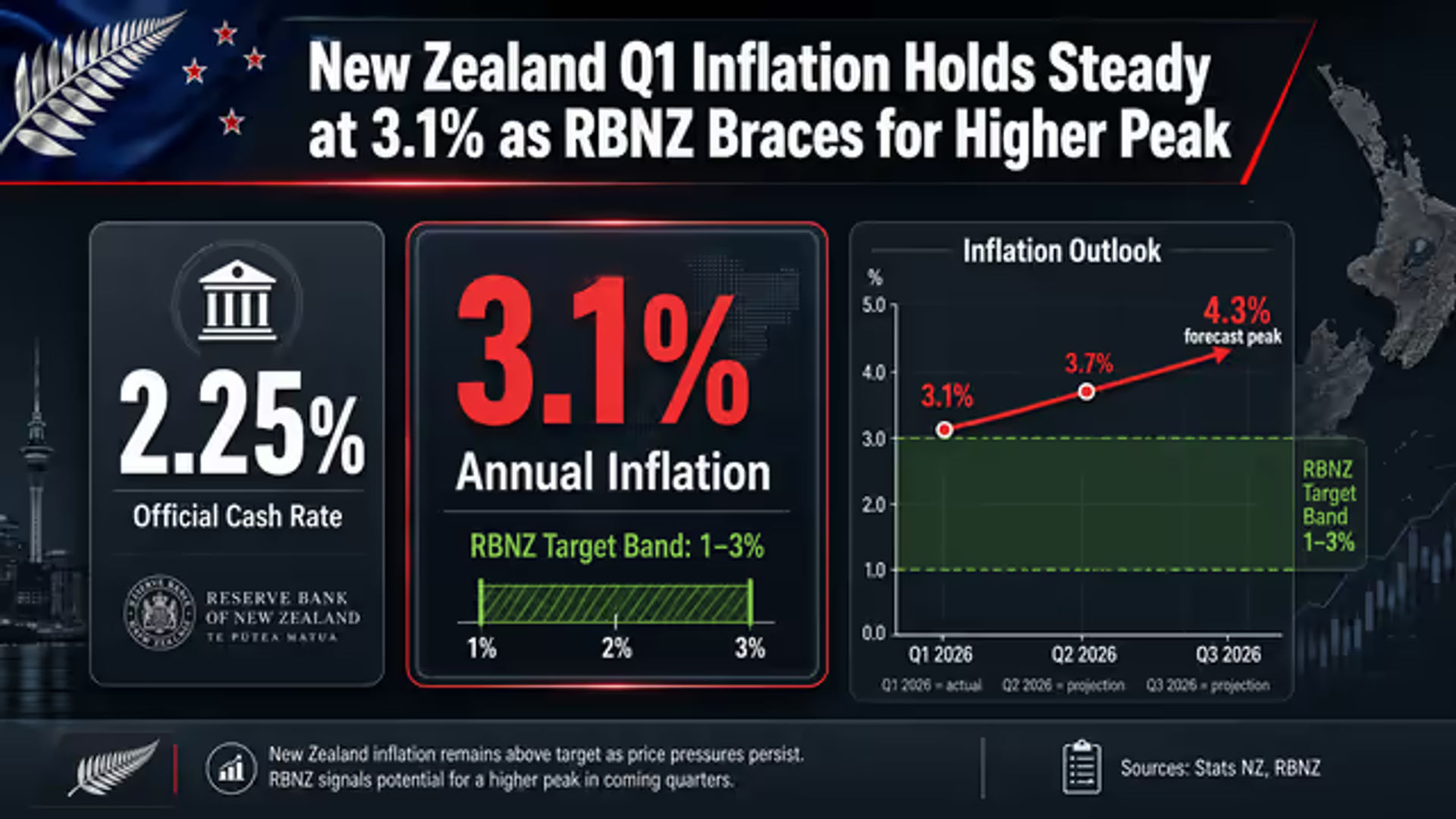
High energy costs are contributing to a challenging macroeconomic environment. The annual inflation rate reaching 3.4% in 2026 is expected to breach the Reserve Bank of New Zealand (RBNZ) target range of 1-3%. While inflation is projected to ease to an annual inflation rate easing to 2.4% in 2027, the current pressure from energy prices is compounding other domestic challenges. These include an unemployment rate over 5% and subdued net migration, both of which are weighing on the pace of the national recovery.

Structural Inefficiencies and Market Reform
The link between gas and electricity prices remains a critical vulnerability for the domestic market. To address this, the Organisation for Economic Co-operation and Development (OECD) recommends the establishment of a mandatory firming and flexibility market. Such a mechanism is designed to break the direct price link between gas and electricity, enhancing market efficiency and providing clearer signals for investment in alternative technologies.

Investment in long-duration firming generation is currently insufficient to meet the needs of a modernising grid. There is a clear need for non-gas alternatives to provide stability during periods of low renewable output. One proposed solution involves potential minority Crown investment in independent-led, long-duration non-gas firming generation. This approach would aim to de-risk large-scale projects that the private sector has been slow to fund, ensuring that the infrastructure required for energy security is developed in a timely manner.
These recommendations follow a series of policy evaluations. The Organisation for Economic Co-operation and Development (OECD) previously called for electricity sector reform in 2024, and more recently released a report titled "Foundations for Growth and Competitiveness 2026" on April 9, 2026. A subsequent policy brief on April 13, 2026, highlighted how rising energy prices, exacerbated by global turbulence and conflict in the Middle East, are impacting domestic stability.
Impact on Households and Economic Growth
The financial burden of high electricity prices is already being felt by consumers. From April 1, 2026, household electricity bills were expected to rise significantly. On April 28, 2026, the Electricity Authority Te Mana Hiko questioned power companies regarding average electricity bill increases of around 8% for the winter period. This level of increase directly impacts household disposable income and contributes to the broader inflationary pressures that the Reserve Bank of New Zealand (RBNZ) is currently managing.

Related Articles
Comments
0Loading...
No comments yet. Be the first to share your thoughts.